
Parkinson’s Disease (PD) is one of the most rapidly increasing neurological disorders worldwide, with over 10 million people currently living with the condition, according to the World Health Organization.
This age-related neurodegenerative disorder is marked by both motor and non-motor symptoms.
The four primary signs include:
- Tremors
- Muscle rigidity
- Akinesia/Bradykinesia (difficulty or slowness in starting voluntary movement)
- Postural instability
Beyond these, people with Parkinson’s may also experience fatigue, dystonia (involuntary muscle contractions), difficulties with fine motor skills, speech problems, swallowing issues (dysphagia), and other complications.
As cases continue to rise, interventions that improve quality of life and reduce disability have become vital in managing Parkinson’s Disease.
While dopamine replacement therapy effectively relieves motor symptoms, no current medication can slow or halt disease progression. This makes non-drug approaches, such as exercise, increasingly important in treatment strategies.
How Exercise Helps in Parkinson’s Disease
Regular, structured physical activity has been shown to:
- Build and maintain muscle strength
- Enhance balance and mobility
- Improve walking speed, stride length, and step stability
- Lower the risk of falls
Best Exercises for Parkinson’s Disease
Research supports the benefits of various exercise types, though no single form is considered superior. A combination of modalities often works best:
Resistance Training: Strength-based activities using weights, resistance bands, or bodyweight help preserve muscle strength and reduce stiffness. Exercises like squats, lunges, and curls are especially effective.
Aerobic Training: Walking, cycling, swimming, dancing, or jogging improves cardiovascular health, endurance, and mood. Aim for 150 minutes of moderate-intensity aerobic activity weekly.
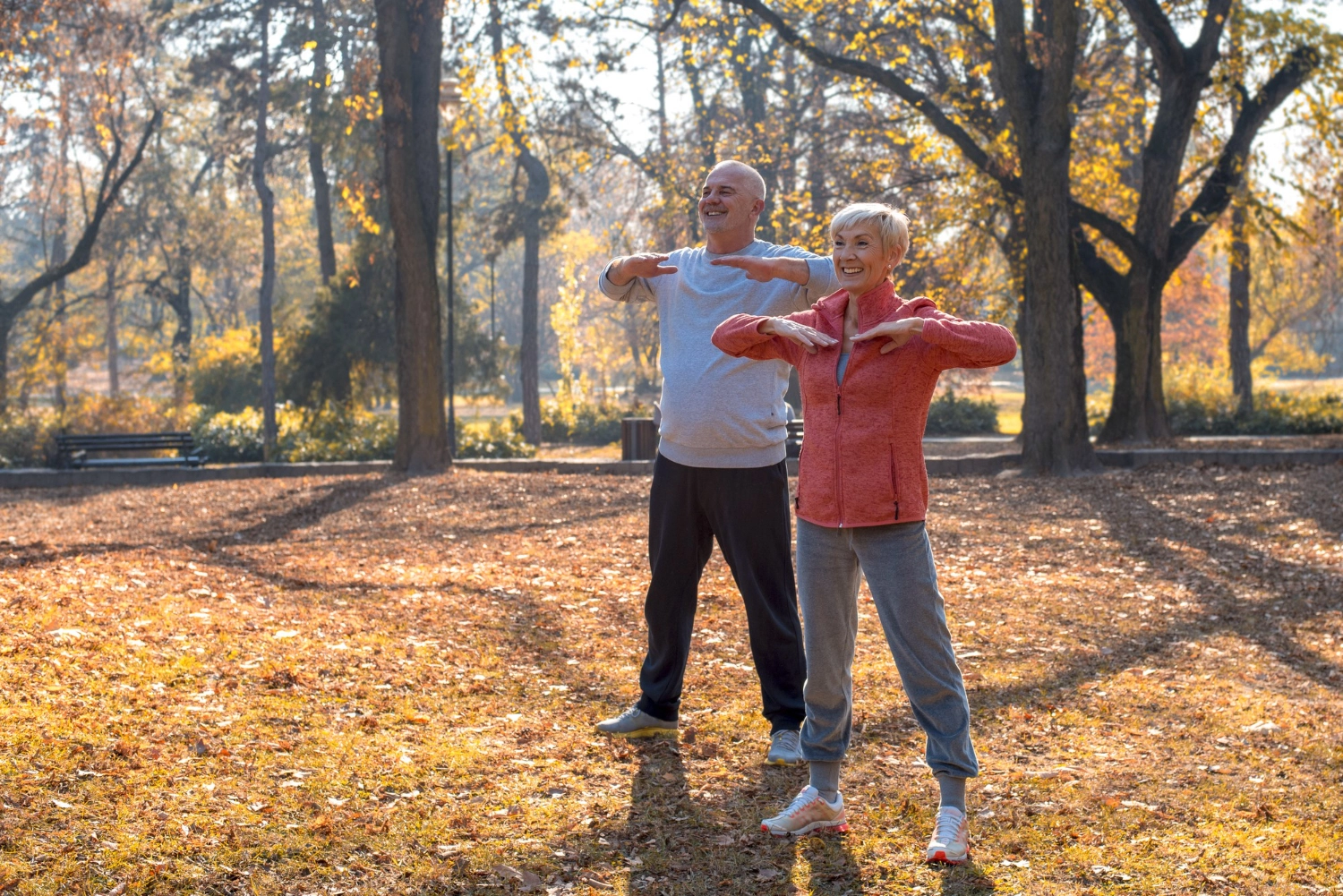
Flexibility & Mobility Training: Stretching, yoga, Pilates, and tai chi support flexibility, ease muscle tightness, and promote better coordination and balance.
A Key Reminder
Not everyone will be able to exercise three to four times a week. Rest and recovery are just as important to prevent overtraining and worsening of symptoms.